


Young Ghanaians have ignored the housing ladder
In most cases, the housing ladder follows a sequence, especially for young adults. One may start with a studio or small apartment, then upgrade as their income increases, they get married, or start a family. Ghana’s housing market is largely centered around the family and largely ignores the ladder for young professionals. It’s made up of large units further from the city centre and designed for households buying once and staying for decades. That leaves fewer options for those buying their first property. The market gives them two bad options — overpay for space they don’t need on the edge of town, or squeeze into something compromised just to stay central. Neither is a real launch pad. A young professional doesn’t need three bedrooms, doesn’t want a fifteen-year commitment, and would rather rent or buy a well-designed and functional space close to where they actually work and socialise.
When young Ghanaian professionals choose where to live, they should be looking to solve two problems at once, yet most people see only one. Ask anyone why they chose their home, and they’ll tell you about rent, but ask them what it actually costs them to live there, and few can answer. The real number is hiding in traffic, Uber & trotro fares, fuel, and the average hour and a half lost twice a day getting into and out of the city.
Housing decisions in Accra are typically made on rent alone, but really, they should be based on the total cost of living. These issues are what Move-In Ghana was built to solve. Move-In Ghana is there to create the stepping stone for central Accra living and lower transport costs.
The trade-off nobody prices in
Ghana’s young professionals face a choice that’s common amongst their peers around the world: live close to town and pay more for the address, or live farther out and pay more for transport. The difference in Accra is that only one side of that trade-off is visible at the point of decision. The price of housing or rent is a concrete figure on a listing. Transport is a cost that arrives later, in fuel receipts, ride-hailing fares, and time spent. Live centrally, and rent is higher, but the commute shrinks to a walk or a short drive, and that time and money saved compounds. Live further out, and rent looks like a bargain — until the transport and time cost of getting into town, month after month, also compounds and often reverses said bargain. Most renters never run this comparison properly. They compare rent to rent, not cost of living to cost of living.
Move-In starts from the premise that the second comparison is the one that actually matters.
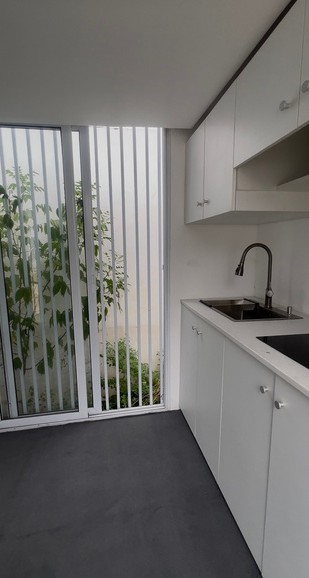
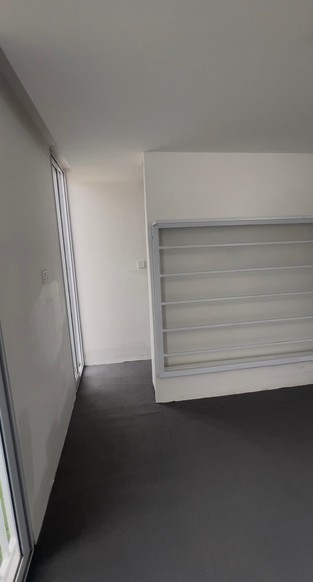
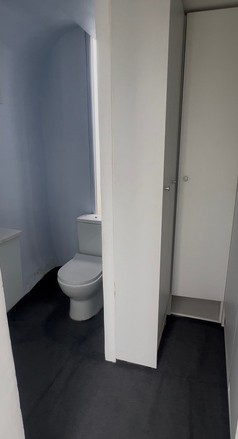
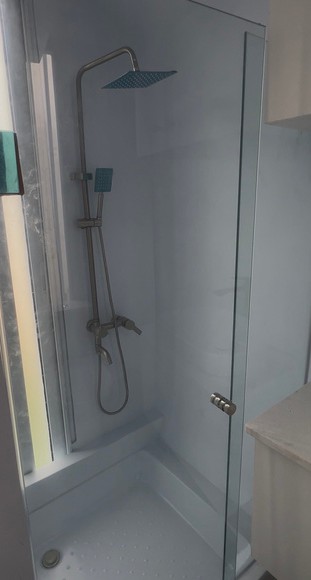
What Move-In Ghana is building
Move-In Ghana exists to give young professionals the missing first step. It offers a functional home in a central, transport-accessible location, on terms that match how people actually build a career: monthly or quarterly rent, not a lifetime mortgage. A unit doesn’t need to be large to do its job. It needs to be well-designed, honestly priced, and positioned somewhere where the daily commute stops being a tax on income and time. The concept is to create landscaped communities on small plots across the city, offering one and two bedroom units with the same finishes you would expect in a high end apartment building. Move-In isn’t selling square metres. It’s selling back the hours and the cedis that a badly located home quietly takes from someone every single day — and giving young professionals a place to genuinely launch from, before they’re ready to buy, build, or settle.